

Scandinavian vs. Japandi: What’s the Difference in Interior Design?
August 6, 2025
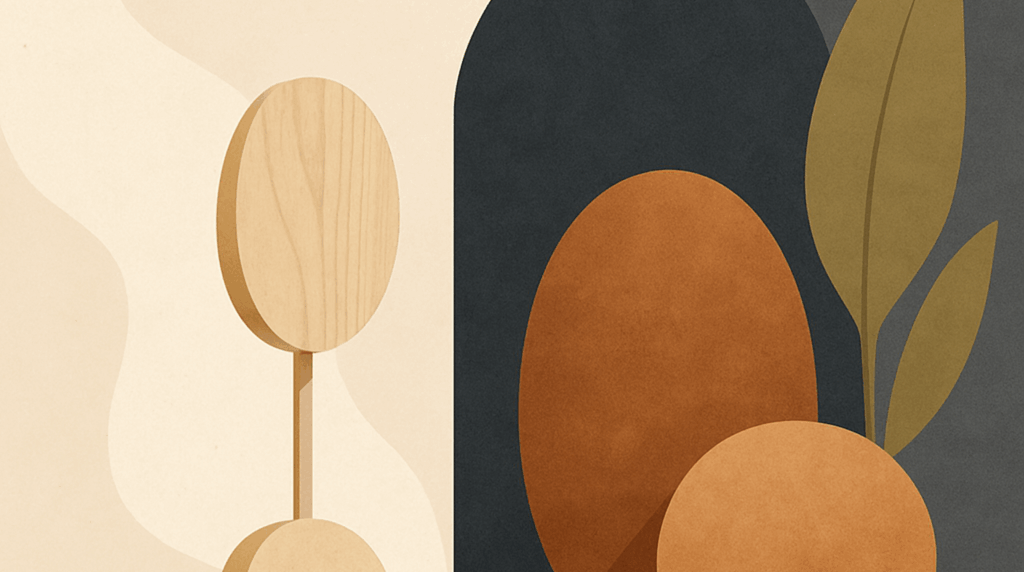
At first glance, Scandinavian and Japandi styles may seem nearly identical — clean lines, neutral colors, and minimalism are shared hallmarks of both. Yet, beneath the surface, these two styles carry distinct cultural roots and emotional tones that make them uniquely impactful in their own way.
Scandinavian design emerged from the Nordic countries in the early 20th century. It’s known for its focus on functionality, lightness, and simplicity. Key characteristics include:
• Light-colored wood (often pine or ash)
• White or pastel walls to maximize natural light
• Functional furniture with a soft, cozy feel (think IKEA, but more refined)
• Textiles like wool and linen, creating a sense of hygge — the Danish word for comfort and coziness.
This style is perfect for those who want a fresh, bright space that feels casual yet thoughtfully designed. It celebrates the beauty of simplicity and daylight.
Japandi, by contrast, is a fusion style — combining Japanese wabi-sabi philosophy with Scandinavian functionality. It embraces imperfection and natural materials but with a more grounded, muted tone. Hallmarks of Japandi include:
• Darker, earth-toned palettes (charcoal, beige, deep greens)
• Low-profile furniture with clean silhouettes
• Natural materials like bamboo, stone, raw wood
• Emphasis on negative space and intentional design
Japandi spaces feel more meditative, serene, and introspective. Where Scandinavian style is bright and inviting, Japandi leans into quiet sophistication and mindful living.
So how to choose between them?
If you prefer crisp brightness, light wood, and airy textures — Scandinavian might be for you.
If you’re drawn to minimalist calm, earthy tones, and Zen-like elegance — Japandi could be the perfect match.
Or… don’t choose at all. The styles blend beautifully — and many modern interiors are a seamless mix of both. After all, they share a love for nature, craftsmanship, and simplicity. The key is balance.
Other articles