Designing Small Spaces with Big Impact
August 6, 2025
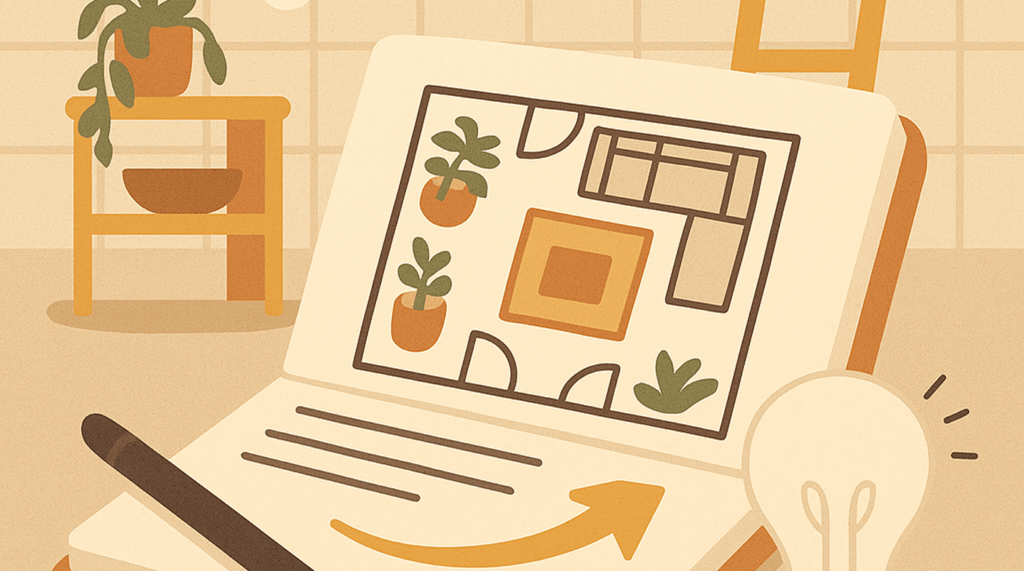
Small spaces require big ideas. When working with compact rooms, smart design choices can completely transform the experience of space without knocking down walls or adding square meters.
Start with function. Every item in a small room should serve a purpose — or ideally, multiple ones. A bench that opens for storage, a coffee table that expands for dining, a wall-mounted desk that folds away when not in use — these are game-changers in tight quarters. Think about how you use the room every day, and what you really need. Often, minimalism isn’t just an aesthetic — it’s a necessity.
Color and light also play crucial roles. Light, neutral tones reflect natural light and make spaces feel open and airy. Strategic use of mirrors can double visual depth. Choose one bold accent — a colored rug, a statement chair, or a striking art piece — to create a sense of intention, not clutter.
Verticality is another powerful tool. Shelving up to the ceiling, hanging lights instead of floor lamps, and tall, slim furniture help draw the eye upward and free up valuable floor space. Curtains should go high and wide to give the illusion of larger windows.
Avoid heavy, bulky furniture. Opt for slim legs, transparent materials like glass or acrylic, and pieces that visually breathe. Avoid blocking pathways or windows — let movement and light flow.
Lastly, embrace custom solutions. Built-in storage, made-to-measure shelves, or multi-functional zones (like a reading nook by day that becomes a guest bed by night) can make even the tiniest studio feel tailored, thoughtful, and comfortable.
Small doesn’t mean less. With intention and creativity, compact spaces can feel luxurious, open, and full of personality — proving that design is not about size, but about soul.
Other articles