The Power of Moodboards in Interior Design
August 6, 2025
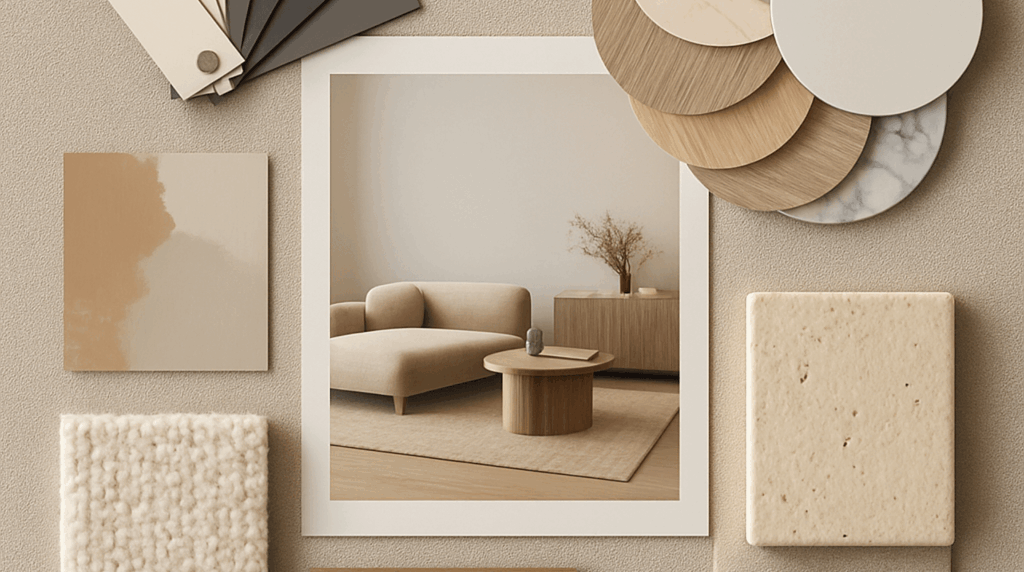
Before the first sketch, before the first swatch, there’s a powerful tool that shapes the entire direction of an interior — the moodboard. This visual collage of references, colors, textures, and materials helps define the emotional tone of a space long before it comes to life.
A moodboard is more than a collection of pretty images. It’s a structured representation of a future atmosphere. It helps you clarify your style, test color combinations, and align your vision with clients or collaborators. Whether digital or physical, a moodboard sets the aesthetic compass for your project, acting as a north star throughout the design process.
To build an effective moodboard, start with an emotion. What should the space feel like — calm, energetic, grounded, luxurious? From that feeling, select images that evoke it: architectural details, fabric swatches, furniture forms, light and shadow compositions. Add color palettes that resonate with the intended mood. Balance realism with abstraction. A photo of foggy mountains might inspire a palette of grays and soft whites for a bathroom. A snapshot of a Moroccan market might suggest warm tones, organic shapes, and eclectic textiles.
Organize the board to tell a story. Place the strongest visual anchors at the center and arrange supporting materials around them. A good moodboard should feel coherent but not restrictive — it should spark ideas, not limit them. Include not only interiors but fashion, nature, typography, and art. The broader your inspiration, the more original your results.
Clients often respond more deeply to moodboards than to technical plans. The emotional power of visuals helps them feel connected to the project early on. It reduces misunderstandings and builds trust. For designers, moodboards are a personal archive — a place to return to for grounding, recalibration, or simply a reminder of the original spark.
In a world flooded with images, moodboards offer clarity. They help cut through the noise and define what truly resonates. In interior design, they are not just a starting point — they are a creative map.
Other articles